

Blog
What Is Cloisonne? A Beginner’s Guide to Chinese Enamel Craft

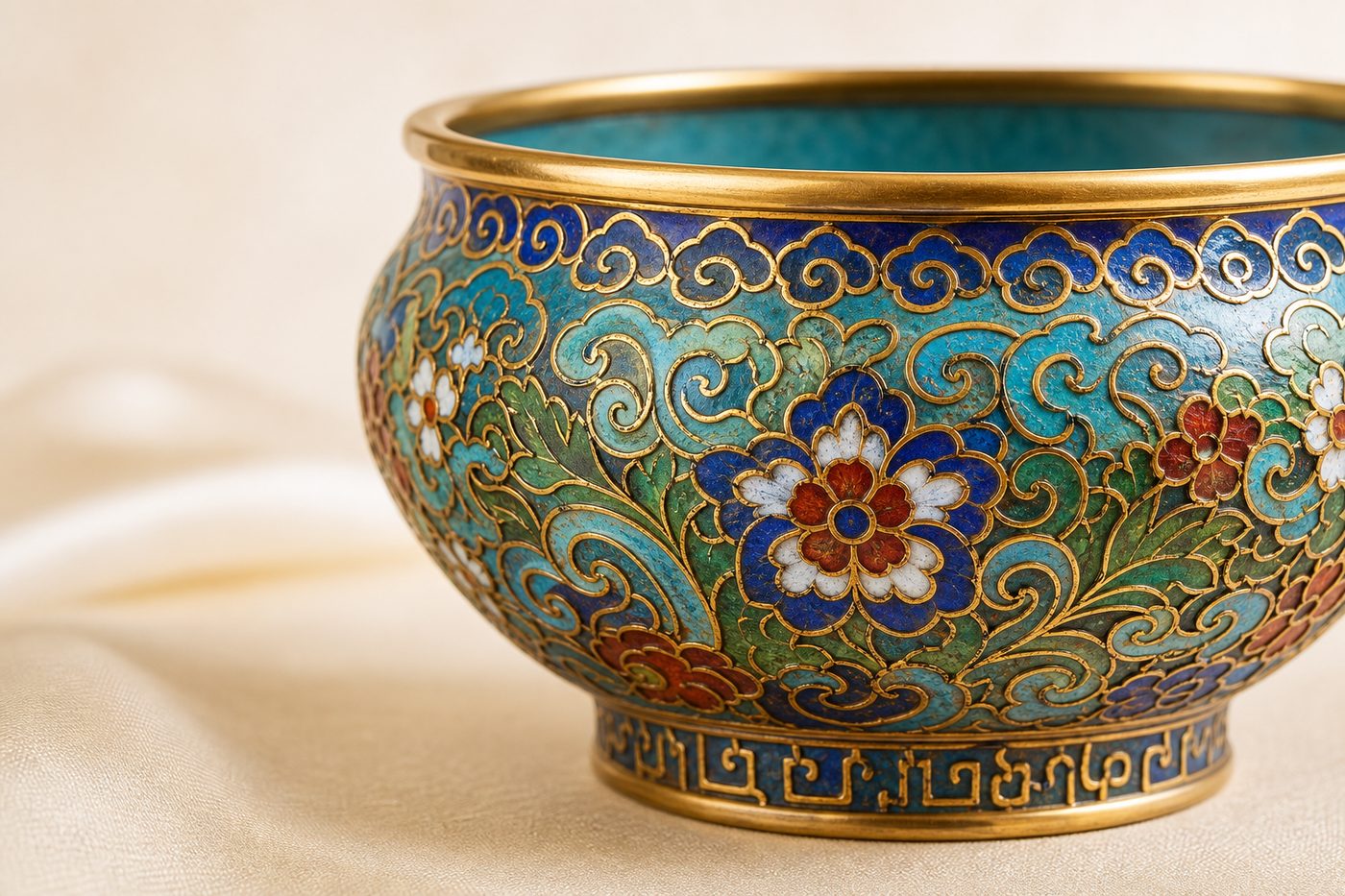
Cloisonne is one of the most recognizable enamel crafts in Chinese decorative art. It is known for vivid colors, delicate metal outlines, and richly patterned surfaces. At first glance, a cloisonne piece may look like painted metal, but its beauty comes from a more detailed process: thin metal wires are shaped into patterns, filled with colored enamel, fired, polished, and finished by hand.
For collectors and gift buyers, Chinese cloisonne is appealing because it combines craft, color, and symbolism. A small pendant, bracelet, jar, ornament, or decorative vessel can feel meaningful not only because it is beautiful, but because its patterns often carry wishes for good fortune, harmony, longevity, or protection.
What Is Cloisonne?
The word cloisonne comes from the French word for partition. It describes the small compartments created by thin metal wires on the surface of an object. These wire outlines form the design, and each section is filled with enamel color.
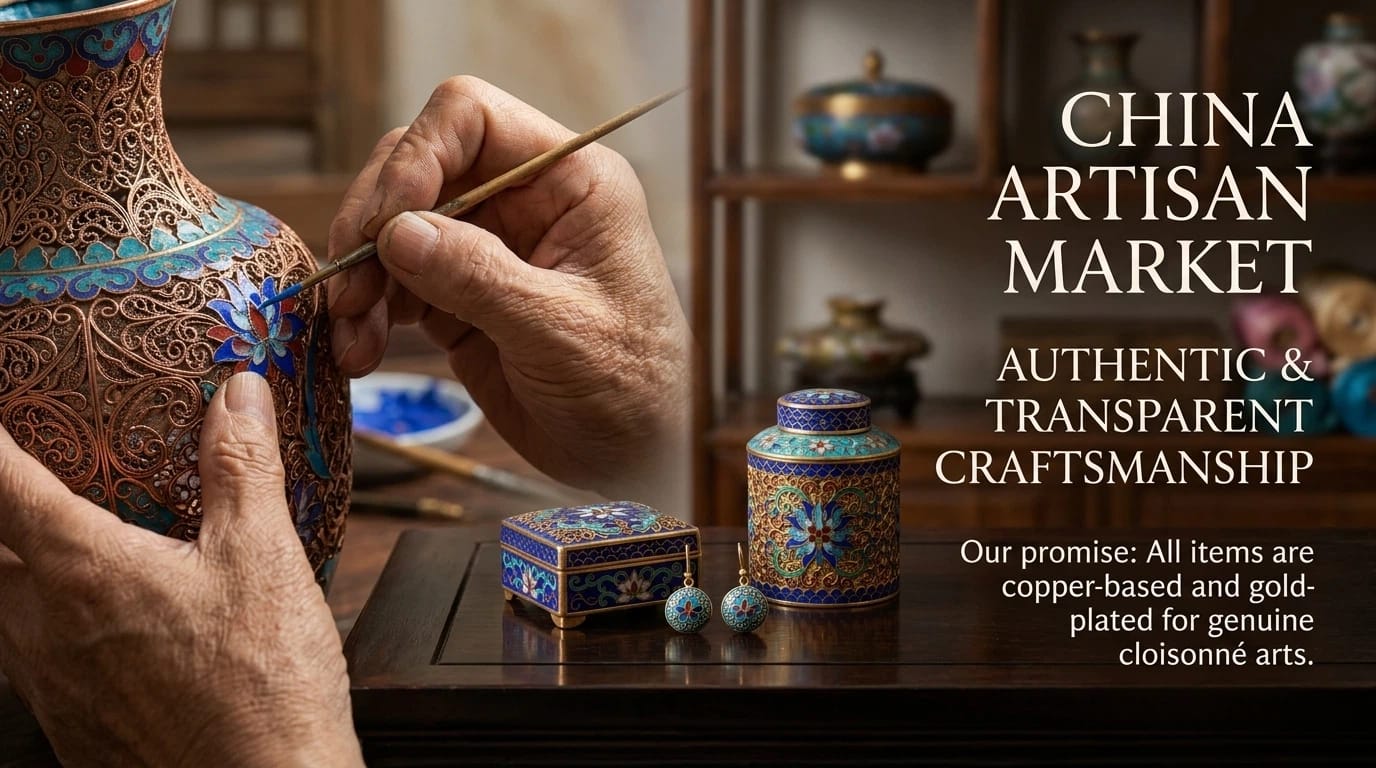
In Chinese cloisonne, the base is often made from copper or another metal. Artisans bend and attach fine wires to create motifs such as flowers, clouds, vines, birds, dragons, lotus petals, or geometric borders. Colored enamel is then added inside the wire shapes. After firing, the enamel hardens into a smooth, glass-like surface.
This combination of metalwork and color is what gives cloisonne its distinctive look. The outlines remain visible, so the finished piece has both structure and decoration.
How Chinese Cloisonne Is Made
Although techniques vary by workshop and object type, traditional cloisonne usually follows several key steps.
First, the metal body is shaped. This may be a bead, pendant, bracelet, small box, jar, vase, ornament, or vessel. The surface must be prepared before any decorative work begins.
Next, thin wires are bent into the desired pattern and attached to the surface. This step requires patience because the wire layout defines the final design. A slight change in line can affect the balance of the whole piece.
Then enamel colors are added into the compartments. The colors may look soft or powdery at first, but they become brighter after firing. Many pieces require repeated filling and firing because enamel can shrink slightly during the process.
After firing, the surface is polished until it becomes smooth. The final piece may also be gilded or finished with metal accents, giving it a warm, refined appearance.
Why Cloisonne Matters in Chinese Decorative Art
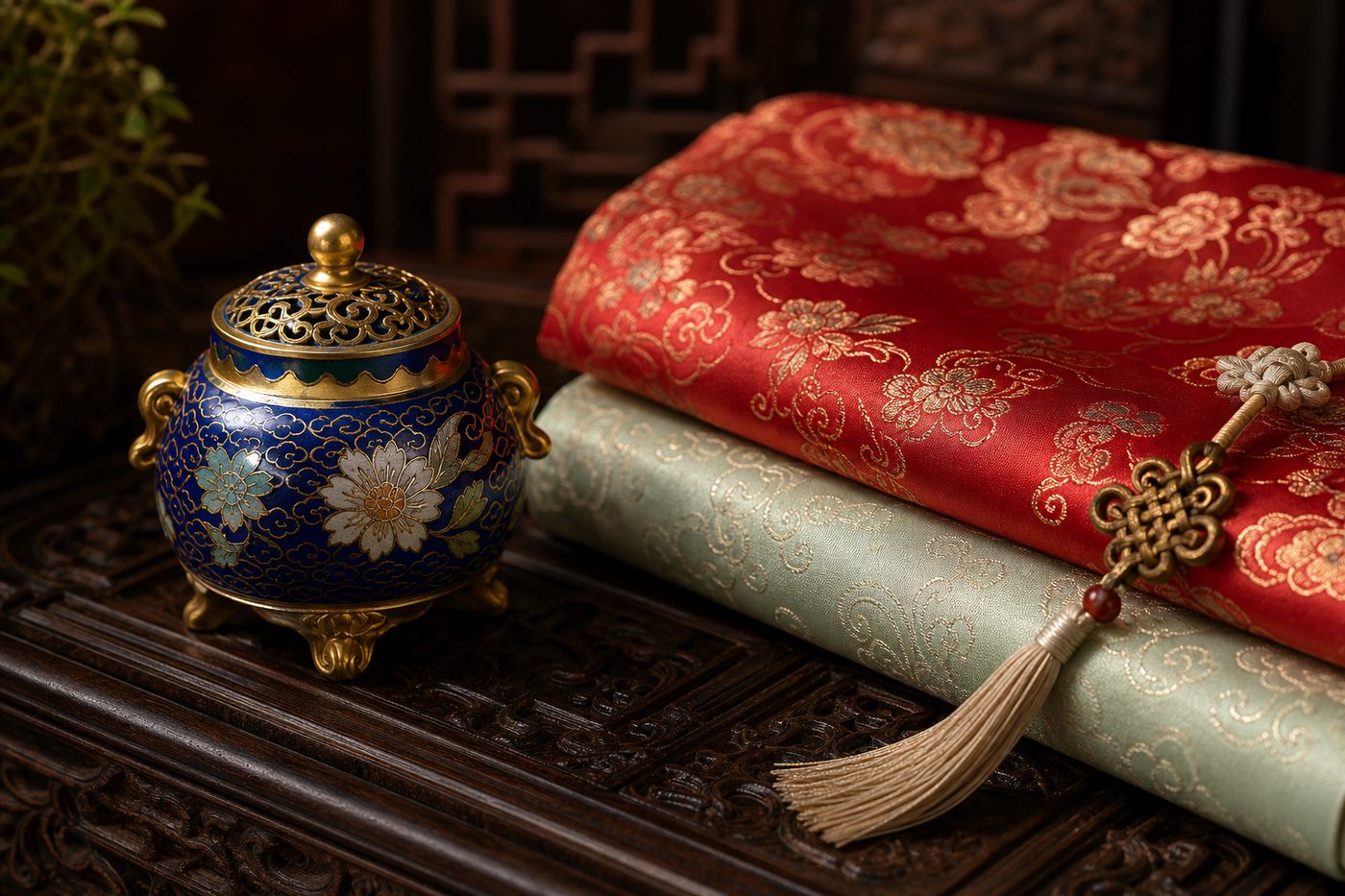
Chinese cloisonne became especially associated with courtly taste, ceremonial objects, and refined decorative pieces. Its rich color and detailed patterning made it suitable for objects meant to be admired, displayed, or given as meaningful gifts.
Part of its appeal is visual: cloisonne can be bright without feeling flat, ornate without losing structure. The metal wires keep the design crisp, while the enamel brings depth and color.
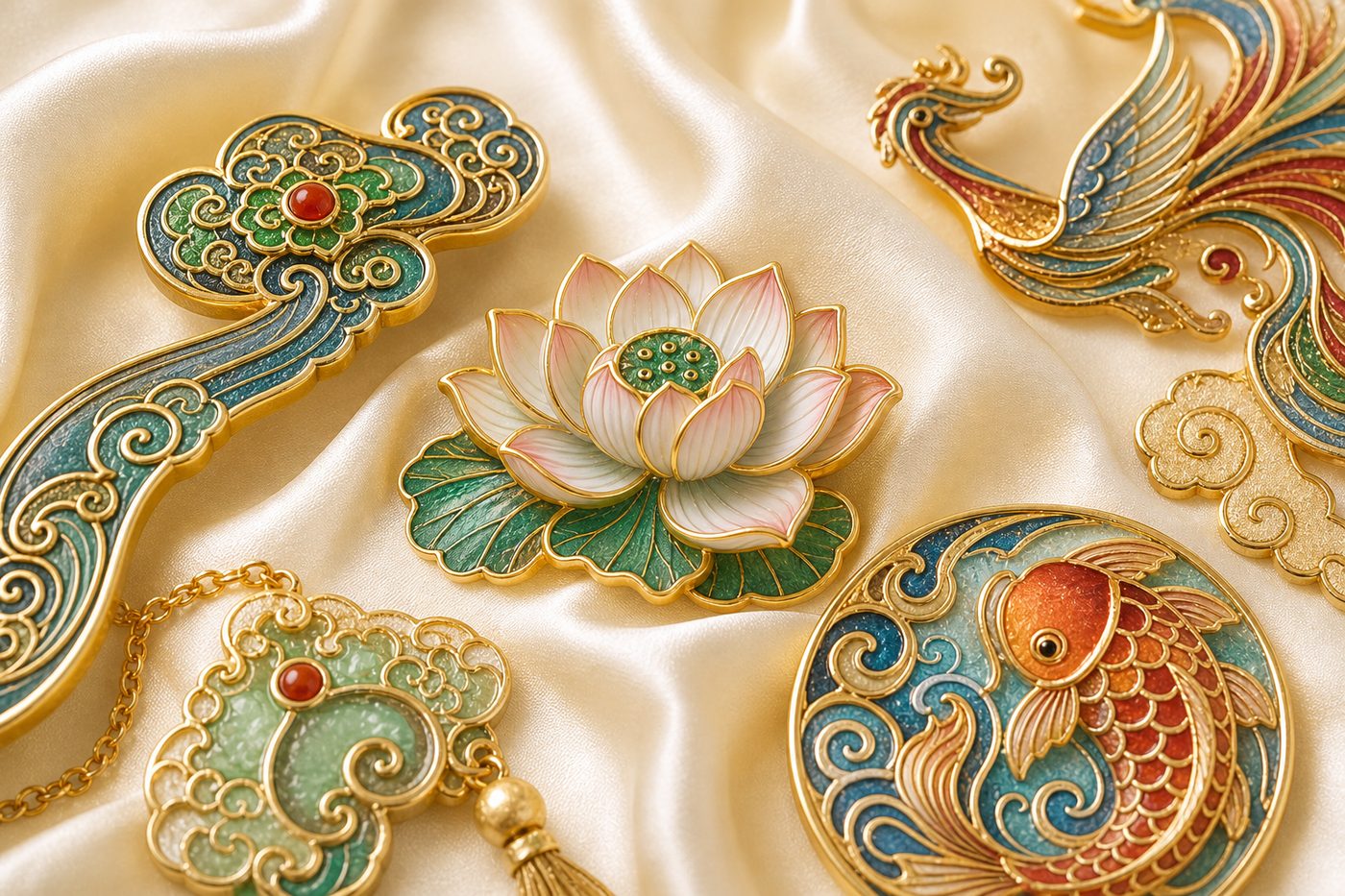
Another part of its appeal is cultural. Many cloisonne patterns are not chosen randomly. Lotus flowers may suggest purity and harmony. Peonies can represent prosperity and beauty. Cloud patterns may imply blessing and auspicious movement. Repeating borders can create a sense of order and completeness.
This is why cloisonne is often more than decoration. It can carry a quiet message.
Common Cloisonne Pieces
Cloisonne appears in many forms, from large decorative vessels to small wearable items. For modern collectors and gift buyers, approachable pieces include jewelry, ornaments, small jars, decorative boxes, and home decor accents.
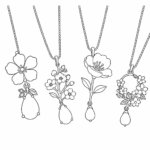
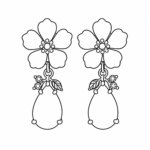
Cloisonne jewelry is popular because it brings traditional craft into everyday use. Earrings, bracelets, pendants, and beads can show color and symbolism without requiring a large display space.
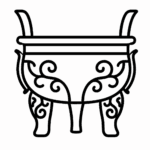
Small vessels and jars are often chosen as decor pieces. They can sit on a shelf, desk, console table, or cabinet, adding color and cultural detail to a room.
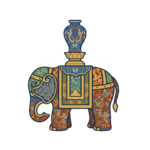
Decorative ornaments are also meaningful gifts. Because cloisonne often uses auspicious patterns, these pieces can be suitable for birthdays, housewarming gifts, holidays, or personal collections.
What Makes a Cloisonne Gift Meaningful?
A cloisonne gift feels meaningful because it has layers. There is the visible layer of color and pattern, the craft layer of wire and enamel work, and the symbolic layer behind the design.
Unlike a generic decorative object, a cloisonne piece often invites a closer look. The small wire lines, the way the colors sit inside each shape, and the balance of the pattern all reveal the maker’s process.
For someone who appreciates handmade objects, cultural design, or traditional craft, cloisonne can feel personal. It is not only a beautiful item; it is a piece that carries technique and story.
How to Choose Cloisonne for Modern Homes or Gifts
When choosing a cloisonne piece, start with the purpose. If the gift is meant to be worn, jewelry may be the easiest choice. If it is meant for a home, a small vessel, ornament, or decorative box may work better.
Look at the color palette. Blue, green, red, gold, and turquoise tones are common in cloisonne, but each piece creates a different mood. A deep blue piece may feel calm and classic, while a bright floral piece may feel festive and expressive.
Pay attention to the pattern. Floral designs often feel elegant and soft. Geometric borders feel structured. Auspicious symbols can make the piece more suitable for a meaningful gift.
Finally, consider scale. A small cloisonne item can be easier to display and use, especially for someone new to Chinese craft. Larger pieces may be better for collectors or interiors where the object can become a focal point.
A Craft That Connects Color, Skill, and Meaning
Chinese cloisonne remains beautiful because it brings together several qualities at once: metalwork, enamel color, hand finishing, and symbolic design. It can be decorative, wearable, collectible, or giftable.
For anyone beginning to explore Chinese heritage crafts, cloisonne is a strong place to start. It is easy to recognize, rich in detail, and full of meaning. Whether in a small piece of jewelry or a decorative vessel, cloisonne shows how traditional craftsmanship can still feel relevant in modern life.
Explore cloisonne-inspired vessels and heritage decor at China Artisan Market.










 Chinese Silk Brocade